Blog · Faith-Based Group Travel
Group Tour Packages for Faith-Based Groups: A Step-by-Step Plan
Planning faith-based group tour packages? Here’s the exact sequence — rosters, contracts, deposits, and what it costs to start late. Act this week.
 By Grant Haynes
Most church groups approaching group tour packages for the first time make the same costly mistake: they spend weeks polling the congregation before they’ve confirmed anything with a supplier — and by the time they have 22 enthusiastic responses, the 20-person group rate has evaporated and the departure they wanted is nearly full. The planning sequence matters more than most group leaders realize, and getting it backward is expensive in both dollars and goodwill.
In This Article
Step 1: Lock In the Destination and Window Before You Recruit
The instinct is to ask the group what they want first. That feels democratic, and it is — but it also produces a dozen conflicting preferences and no actionable starting point. Suppliers who specialize in faith-based group tour packages operate on fixed inventory: a specific departure date, a specific ship or hotel block, a specific itinerary. Before you recruit a single traveler, you need a concrete offer in hand.
This week, that means one decision: where, and roughly when. A Holy Land departure leaving in late spring, a Mediterranean cruise in the fall, a group package to Jerusalem anchored around a particular anniversary or church calendar milestone. The more specific you are, the more negotiating leverage you carry into the next step. Vague interest gets vague pricing.
If your group is genuinely open on destination, start with the Holy Land — it’s the category with the longest lead time, the most complex logistics, and the most to lose by moving slowly. Groups that begin this conversation twelve to eighteen months out have choices. Groups that begin nine months out are taking what’s left.
Step 2: Place a Soft Hold and Understand What It Actually Guarantees
Once you’ve identified a departure that fits your group’s window, a qualified advisor can place a soft hold on a group block — typically ten to twenty spaces — before you’ve collected a single dollar. That hold costs nothing, but it has an expiration date, usually seven to fourteen days for tour operators and up to thirty days for cruise groups.
What the hold guarantees: the group rate and the space. What it does not guarantee: the specific cabins, rooms, or seat assignments within that block. Those are allocated when deposits are received, in order. Groups that move slowly inside a hold period end up with the rooms that faster-moving groups declined.
Ask for the hold expiration date in writing. Ask what happens to pricing if you miss it. Many operators will extend a hold once — but that extension often comes with a rate adjustment, and group leaders who assume a verbal extension equals the original pricing have been surprised at contract time.
A travel advisor’s guide to when you don’t need a travel advisor.
24 pages on the questions that change a booking-call price, the fees nobody mentions upfront, and how to build giving into a vacation budget.
SEND ME THE GUIDEStep 3: Build and Qualify Your Roster — In That Order
Now recruit — with real information. You have a destination, a departure window, a price, and a deposit deadline. That’s a concrete ask. "We’re exploring a group trip" generates interest but no commitment; "Here’s the itinerary, here’s the cost, here’s what we need from you by the 15th" generates deposits.
Build your roster with a waitlist from day one. Group travel has a predictable attrition rate: roughly 15 to 20 percent of initial commitments will not complete the booking, according to patterns consistently reported by tour operators. The U.S. State Department also recommends that all international group travelers verify passport validity well before departure — six months beyond the return date is the standard — and surfacing that requirement early filters out travelers who would otherwise drop out at the last minute, leaving the group short of the minimum needed to hold its rate.
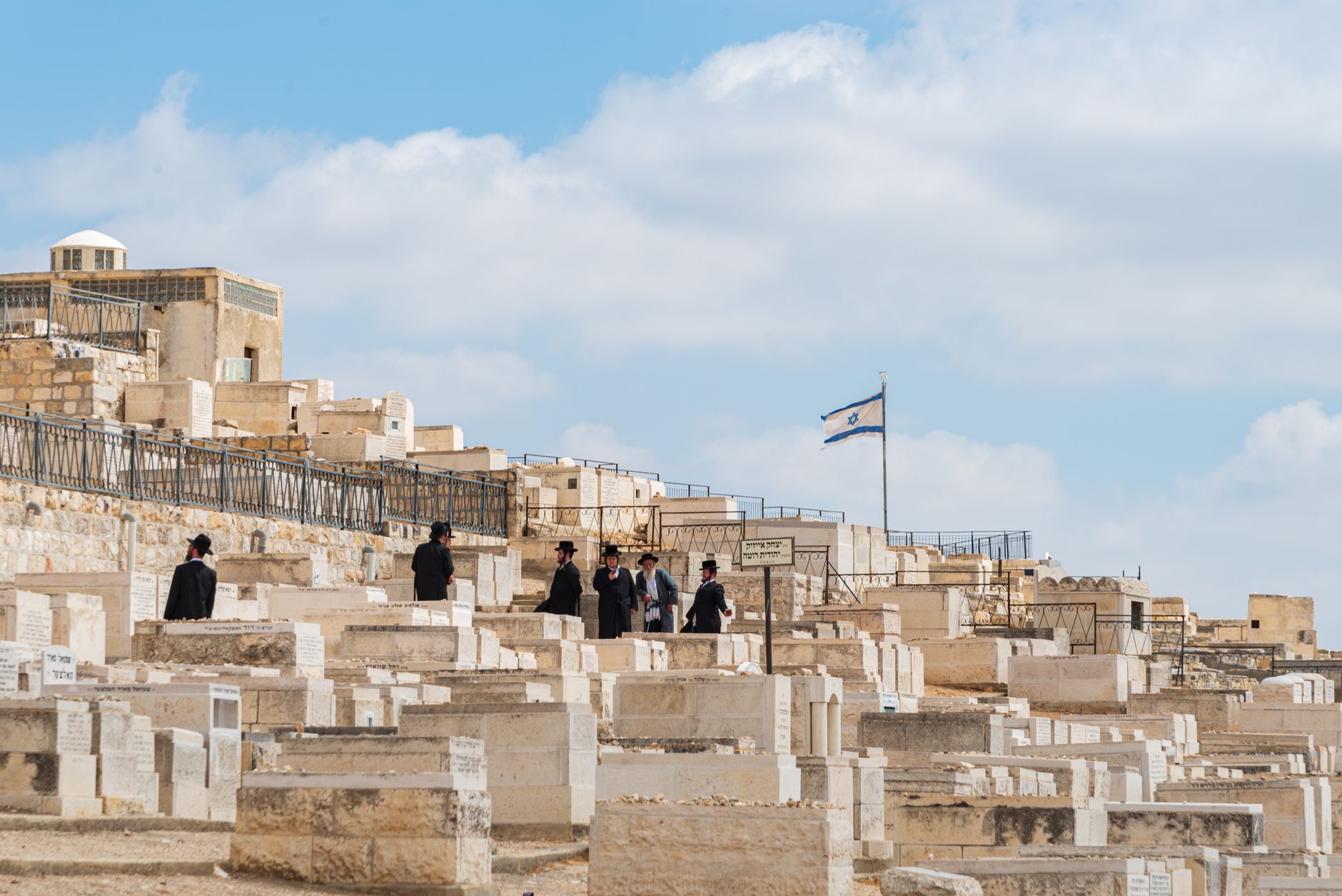
Qualify your roster by passport status and any medical or mobility considerations the itinerary requires. A group that reaches Jerusalem only to discover that two members cannot navigate the terrain of the Old City is a group whose leader wishes they had asked different questions six months earlier. You can explore what a fully planned group experience in the region looks like on the faith-based group travel planning page.
Step 4: Collect Deposits Before Contracts Expire
Group contracts for faith-based group tour packages almost always include a roster confirmation deadline — a date by which you must submit names and deposits for a minimum number of travelers to hold the group rate. Waiting more than 90 days to confirm your group roster after an initial deposit can quietly trigger a rate renegotiation clause — and most group leaders don’t know that clause exists until it fires.
Waiting more than 90 days to confirm your group roster after an initial deposit can quietly trigger a rate renegotiation clause — and most group leaders don’t know that clause exists until it fires.
Set your internal deposit deadline five to seven days before the operator’s deadline. That buffer absorbs the inevitable "I thought I had until Friday" conversations and gives you time to backfill from your waitlist if someone drops. Collect deposits via a method that is traceable and refundable-on-your-terms — personal checks made out to the group leader, or a dedicated group travel account, not Venmo or cash.
At this stage, ask your advisor about the Gratitude Giving Program. The commission is already built into every group tour package, regardless of where or how you book — the only question is whether any of it comes back to something your group actually cares about. Through Gratitude Giving, a portion of that commission is redirected to your church, a missionary your group supports, or a nonprofit — at zero additional cost to any traveler in the group.
The commission is already built into every group tour package, regardless of where or how you book — the only question is whether any of it comes back to something your group actually cares about.
What It Costs to Start Late
Starting this process three to four months later than the ideal window doesn’t just narrow your options — it changes the economics in three directions at once. Group rates require a minimum number of cabins or rooms; late groups often can’t fill that minimum and lose the rate entirely, paying individual pricing instead. Air availability for a group of fifteen or more traveling on the same routing compresses sharply inside six months. And the deposits your members pay become non-refundable faster, meaning late starters carry more financial risk per traveler.
The practical benchmark: for international faith-based group tour packages, start the destination conversation twelve to fifteen months out. For domestic or Caribbean group trips, nine to twelve months is workable. Inside six months, you are not planning — you are reacting.
Colossians 3:23 puts it plainly: "Whatever you do, do it heartily, as to the Lord." A group trip planned carefully, with the right sequence and the right lead time, is a gift to every person traveling with you — and to the ones who’ll hear about it when you return.
Ready to start planning? Contact Grant Haynes at StewardTravel.com for a free, no-pressure conversation about where your group wants to go and how to make it happen well. Call 770-609-7451 or email info@stewardtravel.com.
- group tour packages
- faith-based group travel
- group travel planning
- church group trips