Blog · Cruise Travel
Ocean Cruise vs River Cruise: Which One Fits Your Trip?
Thinking through ocean cruise vs river cruise for your next trip? One specific itinerary tradeoff most travelers miss — and how to choose with confidence.
 By Grant Haynes
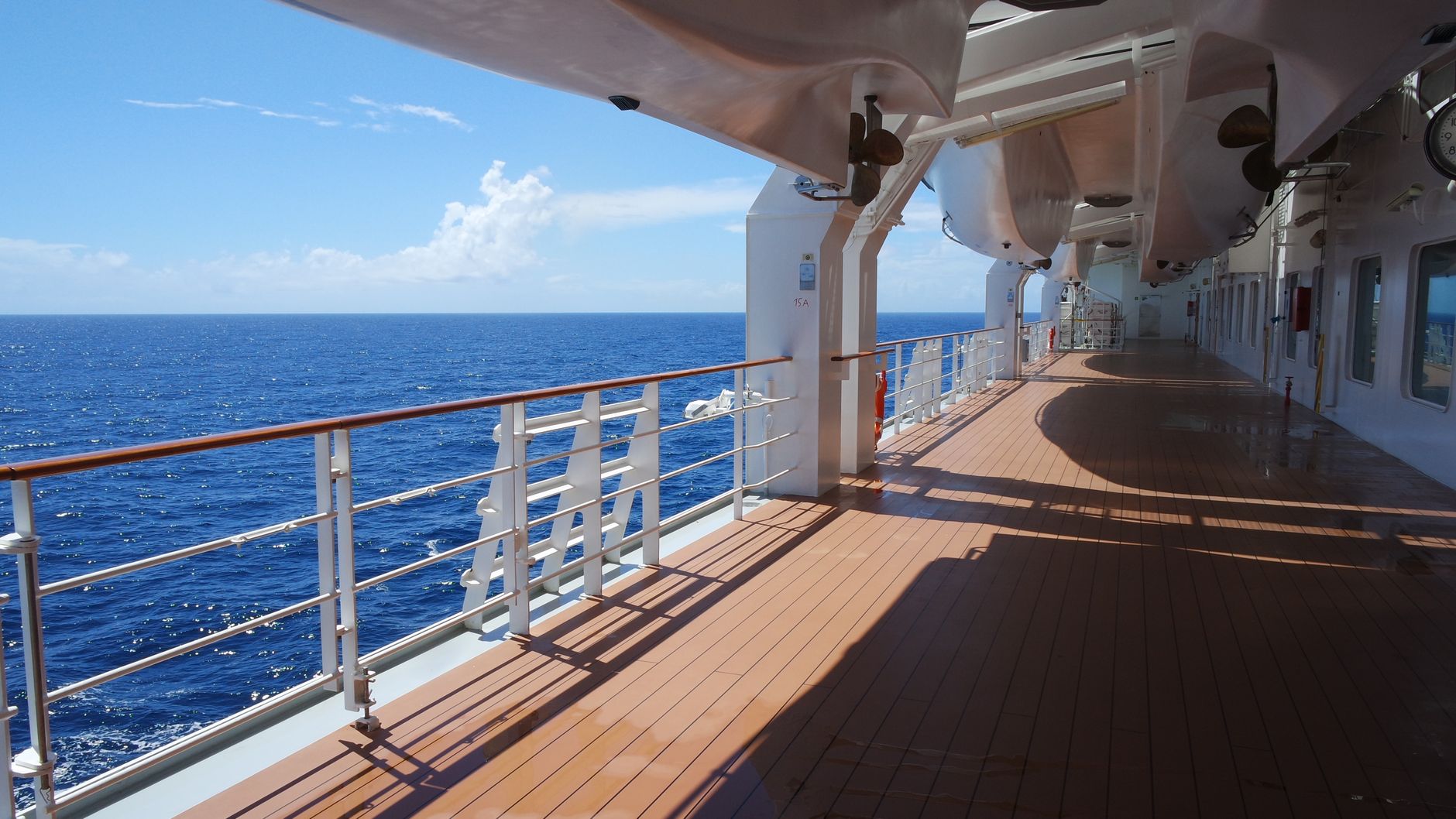
The ocean cruise vs river cruise question is one of the most common planning decisions travelers bring to a cruise advisor — and it is almost always framed the wrong way. Most people start by comparing price or ship size. The question that actually determines whether you come home delighted or quietly disappointed is simpler than either of those: What do you want to happen on the days the ship does not pull into port?
In This Article
The Sea Day Nobody Plans For
A standard seven-night Caribbean ocean cruise — say, one that visits Cozumel, Grand Cayman, and one or two additional ports — typically includes two sea days. Sometimes three, depending on the itinerary direction and turnaround port.
A sea day means the ship is sailing between destinations and there is no port stop. You are aboard the vessel all day. For some travelers, this is genuinely the highlight: the pool deck, the spa, a long lunch, a book finished without interruption.
For others — particularly those who booked a cruise to see places — a sea day feels like a missed opportunity dressed up with a poolside buffet. That is not a complaint about the cruise line. It is a mismatch between what the format delivers and what the traveler expected.
What River Cruising Actually Delivers
River cruising operates on a fundamentally different rhythm. The ships are narrow by design — they navigate locks and low bridges that an ocean vessel could never pass — which means they travel through the interior of a continent rather than along its coastlines.
On a European river itinerary along the Rhine or Danube, the ship typically docks overnight in each port city, and passengers wake up in the center of a new town every morning. Sea days do not exist in the river cruise format. The distance between ports is measured in hours, not half a day of open water.
River cruise lines price their itineraries at a premium precisely because the product is fundamentally different — you are paying for a floating boutique hotel that docks in the center of cities, not a resort that happens to move. Excursions are often included or deeply integrated. Passenger counts are capped, typically around 100 to 190 guests, which changes the onboard atmosphere entirely.
River cruise lines price their itineraries at a premium precisely because the product is fundamentally different — you are paying for a floating boutique hotel that docks in the center of cities, not a resort that happens to move.
Seven mornings. Five minutes each. Take it with you.
A short devotional for the week you’re away — one reading per morning, a question worth sitting with, and something small to do. Take it on any trip.
SEND ME THE DEVOTIONALThe Tradeoff Most Travelers Miss
Here is the specific tradeoff that almost no one anticipates before they book: river cruising removes the sea day problem entirely, but it also removes the safety net of a large ship’s onboard amenities.
Ocean cruise ships — particularly the mid-to-large category — carry restaurants, entertainment venues, fitness facilities, pools, and enough programming to fill two sea days without any of it feeling forced. The ship itself is part of the vacation.
A river cruise ship carries none of that in the same volume. The lounge is comfortable but intimate. There is typically one dining room. Evening entertainment is modest. The ship is designed to be a base of operations, not a destination in itself.
This means that if weather closes a port, if a traveler is ill for a day, or if an excursion simply does not appeal — on a river cruise, a day aboard the ship without a port stop can feel thin. On an ocean ship, the same day is handled by the onboard infrastructure with room to spare.
According to the Cruise Lines International Association, river cruising represents a growing share of the cruise market but remains a category with a distinct traveler profile — older, more experienced, and typically coming from prior ocean cruise backgrounds. That progression is telling.
Matching Format to Traveler Personality
The sea day question is the single most clarifying filter in the ocean cruise vs river cruise decision, and almost no one thinks to ask it before they book. Here is a practical way to apply it.
The sea day question is the single most clarifying filter in the ocean cruise vs river cruise decision, and almost no one thinks to ask it before they book.
If you are planning a trip for an empty-nester couple who want immersive cultural exposure — arriving in a new city every morning, walking cobblestone streets before the tour buses arrive, dining ashore — river cruising is worth the premium. The format is engineered for exactly that experience.
If you are planning for a family with mixed ages, or for a couple where one partner is genuinely energized by resort-style amenities and would treasure a day at sea, an ocean itinerary gives the trip more breathing room. A well-chosen Caribbean ocean cruise, with a port like Nassau built into the itinerary, can balance active exploration with unhurried days afloat.
The honest advisory question is not "Which format is better?" It is "Which format matches what this particular traveler actually wants to do on an average day of the trip?"
How to Decide Before You Book
Before choosing a format, work through three specific questions. First: How many sea days does this itinerary include, and what would you do on those days? Get the actual day-by-day itinerary from the cruise line, not just the port list.
Second: What is the ship’s onboard amenity profile? A smaller ocean ship — say, 700 passengers — and a river ship of 150 passengers are closer in atmosphere than either is to a 4,000-passenger mega-ship. Ship size matters as much as format.
Third: What is the destination doing for you? If the cultural content of each port is the point of the trip, river cruising’s continuous port access earns its price. If the destination is partly the backdrop and partly the excuse to be somewhere beautiful together, an ocean itinerary with well-chosen Caribbean ports delivers that at a lower per-night cost.
For a deeper look at how these cruise formats apply to specific itineraries and family or couple travel patterns, the cruise travel planning hub at StewardTravel.com walks through the full set of variables.
One more thing worth knowing: the commission built into a cruise booking exists regardless of whether you book directly with a cruise line or through an advisor. Working with StewardTravel.com means that portion of the commission can be redirected to your church, missionary, or nonprofit through the Gratitude Giving Program — same price, different downstream impact.
Proverbs 19:2 puts it plainly: "Desire without knowledge is not good, and whoever makes haste with his feet misses his way." Rushing into a booking format before understanding what the itinerary actually delivers on a day-by-day basis is exactly the kind of haste that produces a good trip that was almost a great one.
The ocean cruise vs river cruise decision is not complicated once you are asking the right question. The sea day variable clarifies it faster than any price comparison will.
Ready to start planning? Contact Grant Haynes at StewardTravel.com for a free, no-pressure conversation about where you want to go and how we can make it happen. Call 770-609-7451 or email info@stewardtravel.com.
- cruise travel
- Caribbean cruise
- river cruise
- cruise planning